

Quick answer: Commercial security camera installation leads come from eight places you already touch: your Google Business Profile, the trades that share your mechanical rooms, public bid portals, your installed base, industry associations, one showcase install you are allowed to show, local LinkedIn and your distributor. None is a purchased list. Work one channel per week for 30 days, record the source of every inquiry, and judge each channel by site surveys booked and quotes sent, not by clicks.
Where do commercial camera leads really come from?
A facilities manager, property manager or owner-operator rarely types “security camera installer” into a search box at midnight. They act on a trigger (a break-in, an insurance renewal, a new lease, a renovation, a compliance audit) and ask someone they already trust: the electrician on the fit-out, the IT provider who runs the network, or the installer who looked after their last building. Purchased lead lists sit at the wrong end of that chain: shared among several contractors, heavy with residential requests, and late. The channels below put you in the conversation before the trigger. Log the source of every inquiry in the Leads tab of your Google Sheets CRM; after one quarter the Source column decides where the next quarter’s time goes.
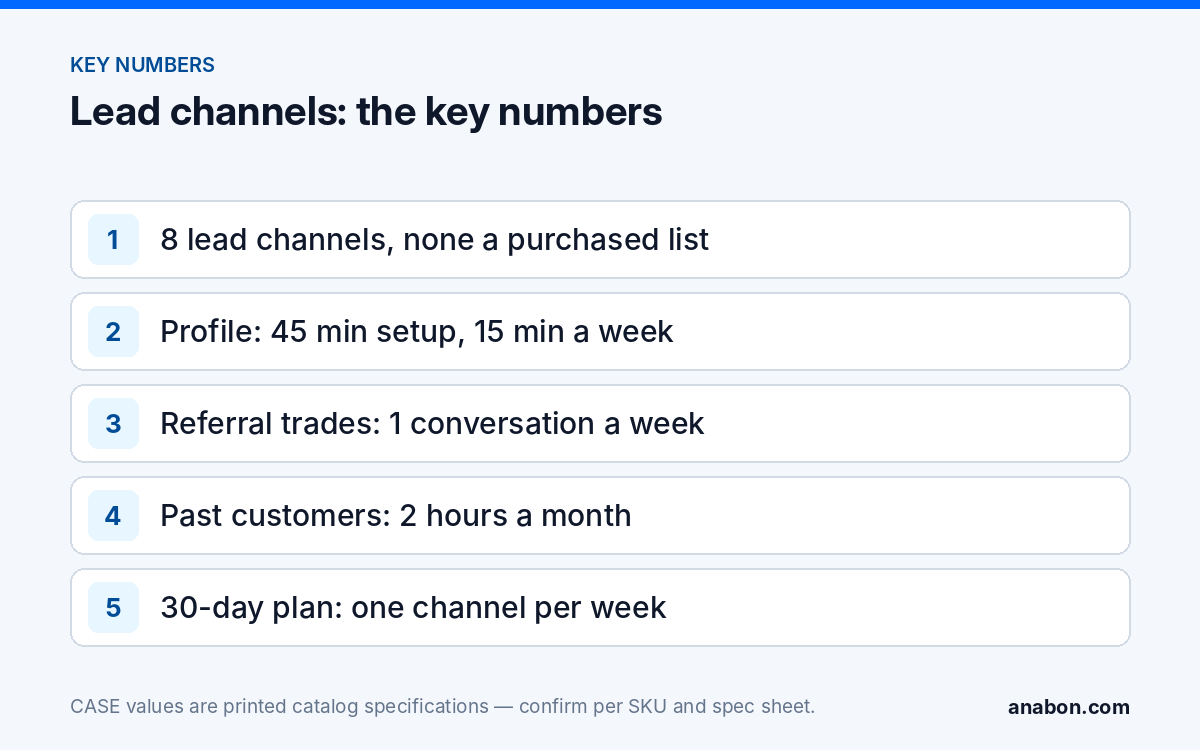
| Channel | Your time | First action this week | Metric |
|---|---|---|---|
| Google Business Profile | 45 min setup, 15 min a week | Complete every field with commercial wording; add five permission-cleared install photos | Profile calls and clicks that reached a quote |
| Referral trades | One conversation a week | Pick three trades; book one coffee or site visit with each | Referred leads received and converted |
| Public bid portals | One hour a week | Register on your state or municipal portal (Canada: CanadaBuys, MERX, provincial portal) | Bids read, pre-bid walks attended, bids submitted |
| Past customers | Two hours a month | Export the Jobs tab; call the oldest installations first | Add-on quotes and service agreements |
| Associations and events | One event a quarter | Join your installer association; attend one property-manager event | Conversations that became site surveys |
| Showcase install | One permission-cleared site | Record a 60-second day-and-night clip, no site or company named | Site visits booked after seeing it |
| Local LinkedIn | 30 min a week | Connect with ten facility managers in your area; post one anonymized project a month | Replies that became conversations |
| Your distributor | One call | Open an approved business account; ask about project, demo and documentation support | Projects reviewed before quoting; demos tested |
Is your Google Business Profile doing commercial work?
For the commercial buyers who do search, the profile is what they see first. The usual failure is a profile that reads like a residential service page. Set a security-system installer category, write the description for businesses (“commercial video surveillance, access control and network cabling for offices, warehouses, retail and multifamily properties”), define a service area you will drive to, and upload commercial work only, with written permission and no faces or plates. The full setup is in the Google Business Profile guide for security installers. Ask for the review at the day-30 call, when the customer can name the kind of site; “our warehouse” is the sentence the next warehouse manager reads.
Which trades refer installers, and what do you offer them?
The strongest referral partners are trades that get asked for cameras and do not want the job. Each needs a different offer:
- Electricians. On every fit-out, running the conduit. Offer: you take the IP side, configuration, handover and support calls; they keep the electrical scope. Plan pathways together under NEC (CEC in Canada).
- IT providers and managed service providers. They own the network and worry about cameras on it. Offer: a separate VLAN or camera network, a documented IP plan and changed default credentials, as in separating camera traffic from the business network.
- Locksmiths and access control specialists. Gates and intercoms raise the question “can we see who is at the gate?”. Offer: video on their access projects; the door hardware stays theirs.
- Property and facility managers. Several buildings each; they refer the installer who answers the phone and leaves an as-built.
Ask in person, in one sentence that says what you do and do not do (“we install and support commercial camera systems; we do not do electrical, monitoring or door hardware; the customer stays yours”), and put it in writing (see co-referral agreements). Thank-yous follow local law and the partner’s employer policy; many property management firms prohibit staff from accepting anything of value, so a return referral is the safer form. Scripts: the referral program guide.
Where are the public projects, and should a small installer bid?
Schools, housing authorities, municipal yards, transit agencies and utilities publish their camera projects. In the US they appear on the federal portal and on state, municipal and school-district procurement sites; in Canada on CanadaBuys, MERX and provincial portals such as BC Bid, the Ontario Tenders Portal and SEAO in Quebec. Anabon keeps a bid opportunities page; the two countries’ processes are compared in public-sector camera bids in Canada and the US.
A small company does not have to prime its first public job: subcontract the camera scope to the electrical or general contractor who is bidding, attend the pre-bid walk and read the compliance sections. Many public bids ask for NDAA documentation. CASE offers NDAA-compliant options for compliance-sensitive projects. Anabon confirms the exact products and provides the official compliance documentation for each project. When the specification looks beyond your experience, bring us the opportunity before you say no and request a project review before you quote.
Past customers: the lowest-cost lead you have
Every installed system is a future lead: added cameras, a second location, a recorder upgrade when channels run out, a service agreement, or aged hard drives. It needs a routine, not advertising:
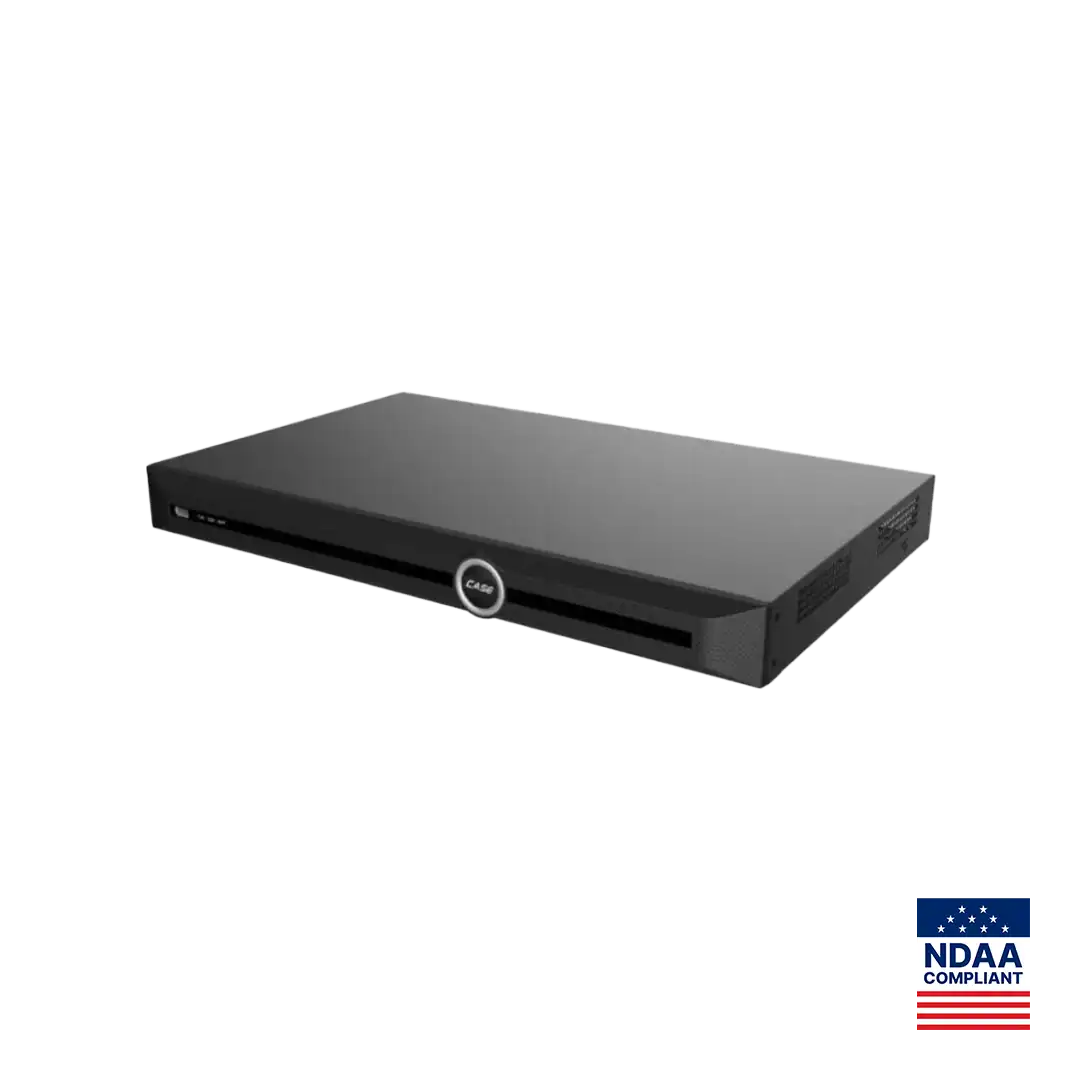
- Export the Jobs tab: handover date, recorder SKU, camera count, spare channels and PoE ports. A row showing a CS-N220 P16H-AI with 14 cameras on its 16 PoE ports and 20 channels, as printed, is a visible add-on conversation.
- Call the oldest installations first; recorders with no spare channels are upgrade conversations (see upgrading from 8 to 16 or 32 channels).
- Run the 7-day, 30-day and 90-day calls on every new job; offer older sites a health check that leads to a service agreement.
- Send one quarterly email: a firmware reminder, one capability they own but have not used (confirmed for their model and firmware) and one seasonal check. Keep it legal: CAN-SPAM in the US requires a working unsubscribe and your physical address; CASL in Canada requires consent, and implied consent from an existing business relationship is time-limited, so verify with counsel.
Which associations and local events pay back the time?
Join where your buyers are, not only where your peers are. The installer associations, ESA in the US and CANASA in Canada, provide training, licensing information and out-of-area referrals from members. The buyer-side rooms are different: BOMA chapters (US and Canada) for property managers, CAI chapters in the US and the Canadian Condominium Institute in Canada for managed communities, and ASIS chapters for corporate security managers. One event a quarter with a goal (three conversations that become site surveys within 30 days) is enough. Licensing varies by state (in Canada, by province); verify the local requirement before promising work in a new area.
What can your distributor do for your pipeline?
Anabon supports installers, integrators, dealers, and approved business accounts with CASE product distribution, technical support, warranty coordination, and project guidance. For lead work, ask for four things: a design review before you quote; approved demo products for a showcase install (for approved demo products we provide a 90-day test period under the approved demo return process; this is not a general return policy); per-SKU compliance documentation for bids; and product training with technical support. Anabon is strictly B2B and never sells to your customer. CASE is a channel-protected line: CASE pricing does not appear publicly online, and you receive private pricing through login, your approved business account, and direct quotes. It starts with an approved business account.
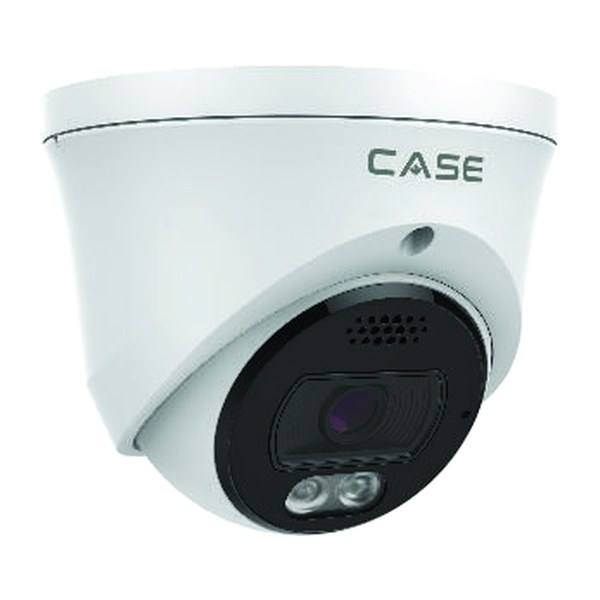
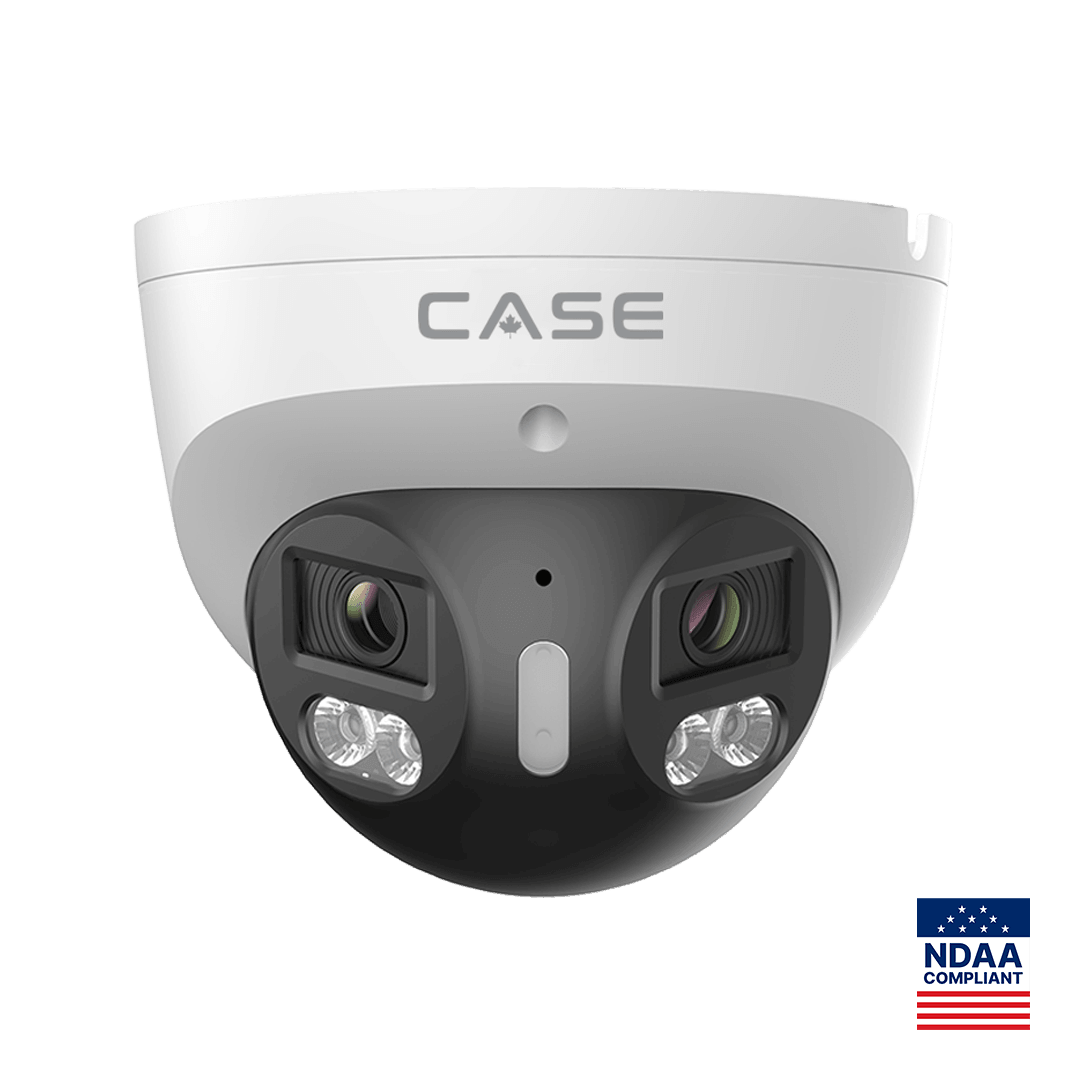
The showcase install needs a product rather than a budget: one permission-cleared site, recorded by day and at 2 a.m. A deterrence turret such as the CS-I8XQ II-2.8mm (8MP, 164 ft (50 m) IR and 98 ft (30 m) white light as printed) or a stitched 180° turret such as the CS-I86V I-180 (4640×1728 at 25 fps as printed) gives the clip something to show. Name no site, company or face.
The 30-day action plan
- Week 1. Rebuild the profile for commercial buyers. Export the installed base; add Source and Next action columns.
- Week 2. Three referral conversations: one electrician, one IT provider, one property manager; write down what each agreed to.
- Week 3. Register on your bid portal (US) or CanadaBuys and your provincial portal (Canada). Connect with ten facility managers on LinkedIn; post one anonymized project.
- Week 4. Call the ten oldest installations. Book one association event. Ask your distributor about a demo unit for a showcase install.
At day 30, count leads by source, surveys booked and quotes sent; keep the two channels that produced surveys and give the others another month. No channel here produces a predictable number of leads in its first month.
What to tell your customer
“We would like to use your installation as an example for other businesses: no company name, no address, no faces or plates, just a short clip of the night image and a list of what we installed. You can say no, and it changes nothing about your service. If a business you know asks about cameras, we would appreciate the introduction; warranty and service for your system go through us either way.”
FAQ
Should a small installer pay for lead-generation services at all?
This guide covers only channels you control, because purchased leads are usually shared among several contractors and weighted toward residential requests. If you test a paid source anyway, log it in the same sheet with the same metric, quotes sent per hour spent, and compare it with your referral trades after a quarter.
How long before referral partners start sending work?
There is no fixed timeline. The useful measure is whether each partner has referred at least one inquiry within two quarters and whether you have referred work back. Partners who receive nothing from you stop thinking of you; a monthly check-in and one return referral keep the loop alive.
Can I use photos or video of a customer’s site in my marketing?
Only with written permission from the site owner, and only after removing faces, license plates and anything that identifies the company or address. Privacy rules apply under state laws in the US and under PIPEDA and provincial laws in Canada, so keep the clip to the camera’s image quality and the equipment list. When in doubt, leave it out.
How does Anabon help an installer find leads?
Anabon is a North American B2B distributor of CASE and other professional security brands and does not sell to end users, so the customer relationship stays with you. Its support is behind the scenes: project design review before you quote, approved demo products with a 90-day test period under the approved demo return process (not a general return policy), per-SKU compliance documentation for bids, training, technical support and a bid opportunities page.