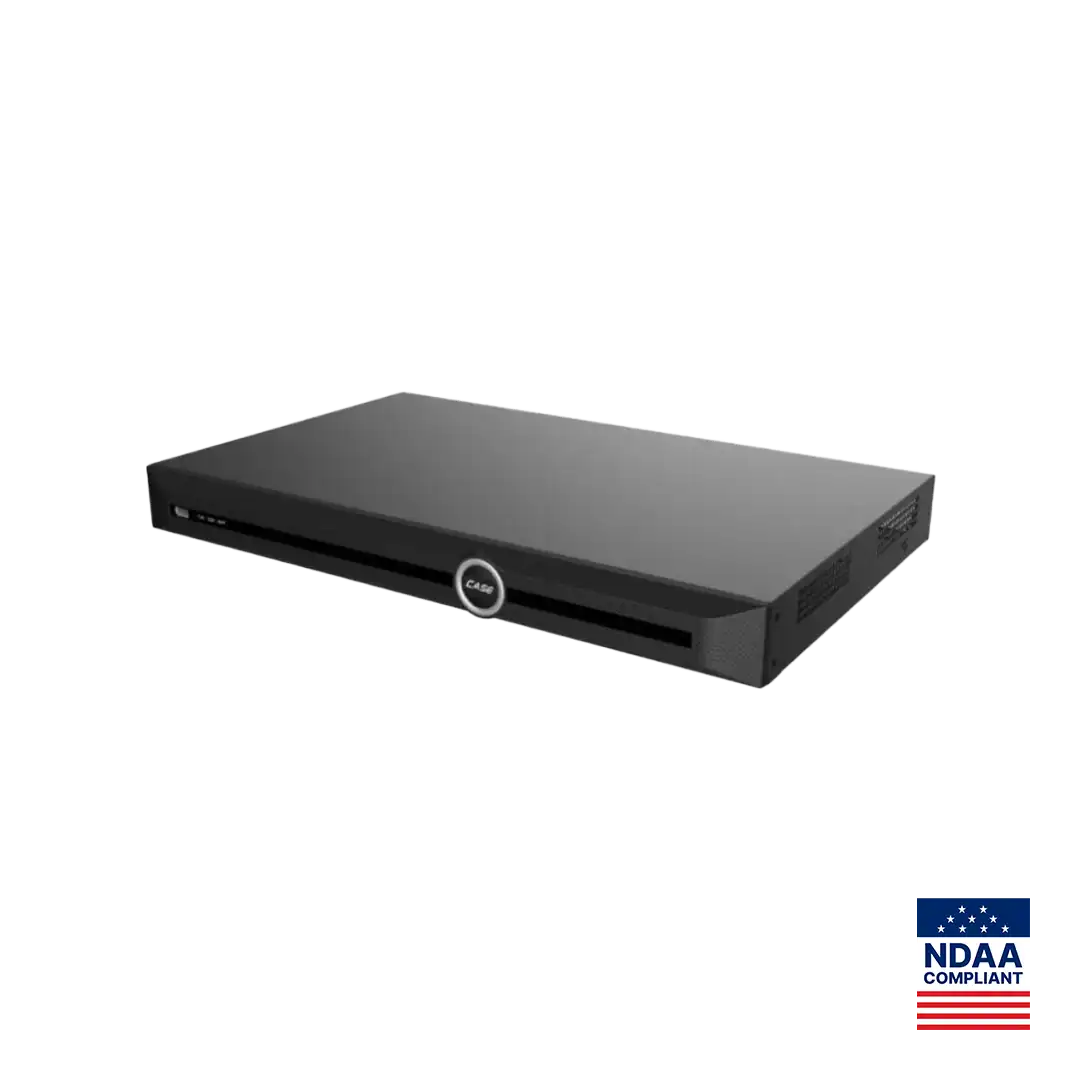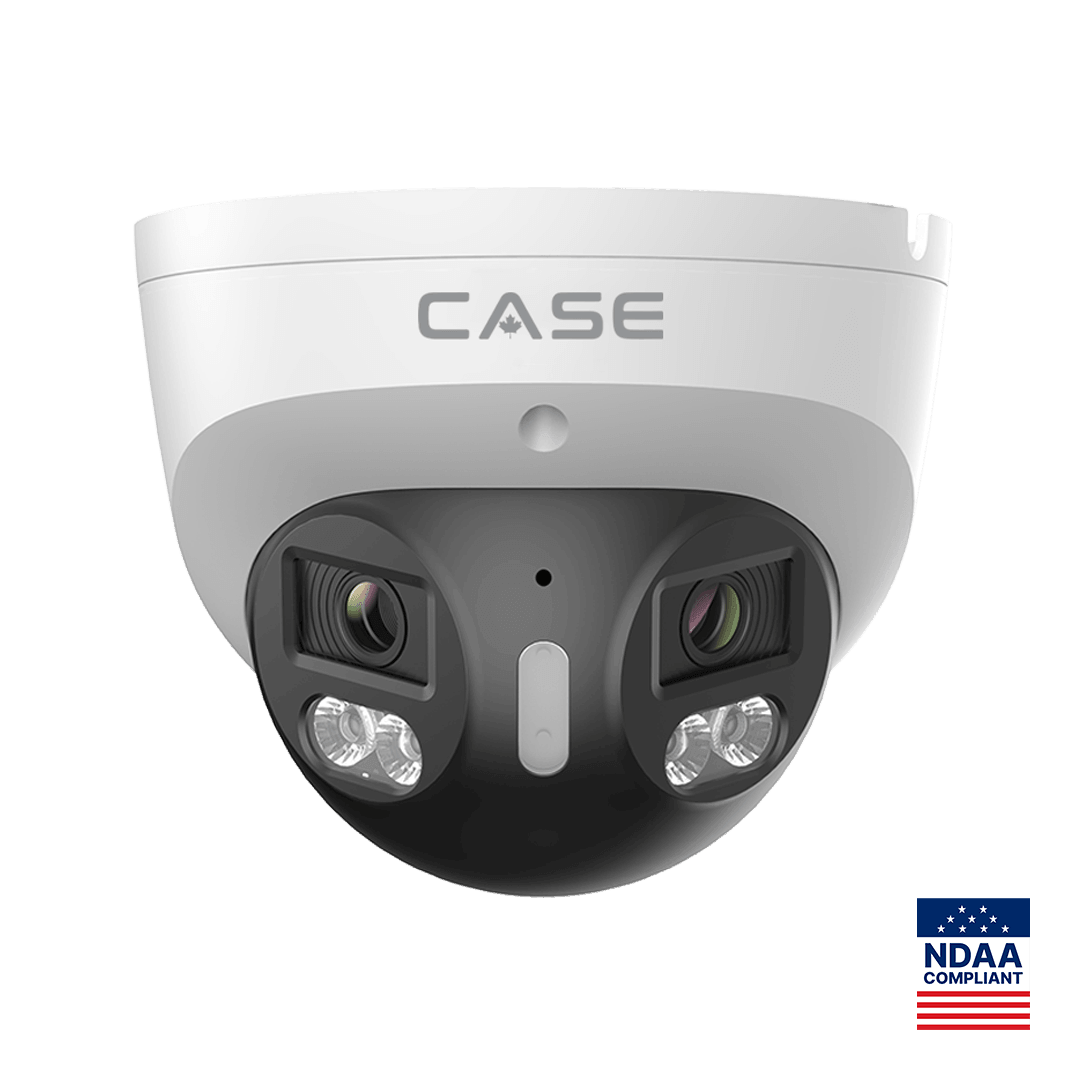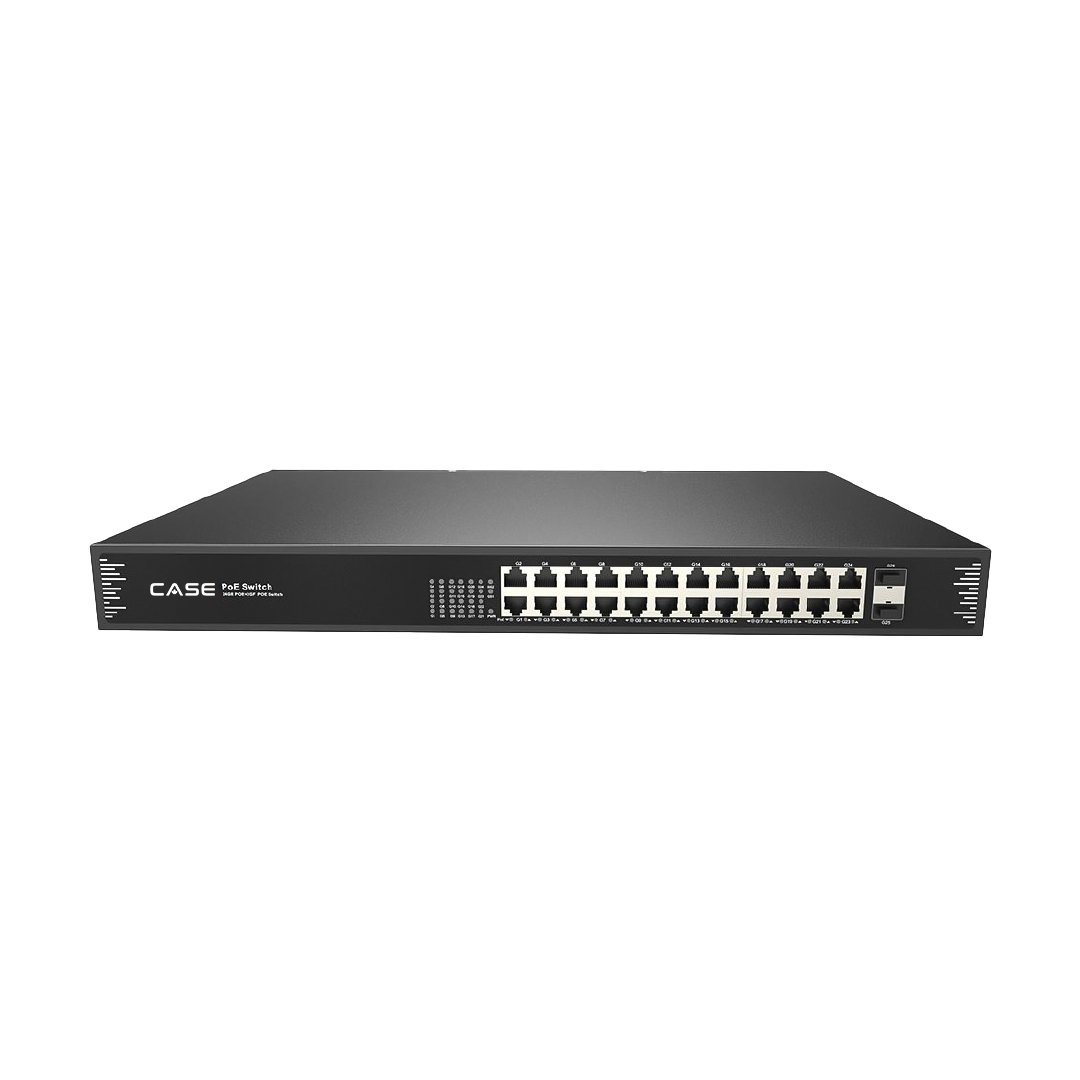



Quick answer: A documentation pack is a set of per-SKU and per-project documents, each answering one reviewer question. The spec sheet answers “what exactly is it”; the per-SKU compliance letters answer “may we buy it under Section 889 or 2 CFR 200.216” and, in a separate document, “under TAA”; the ONVIF conformance record answers “will it talk to our platform”; the warranty statement answers “who stands behind it and for how long”; the software statement answers “what is supported today”; and the firmware note answers “what version was commissioned”. None of them is brand-level. Every one names the exact SKU in catalog spelling, and the project confirmation names the project. You request them through your business account with the SKU list from your camera schedule.
Which document answers which reviewer question?
Build the pack as an index of questions and you stop sending forty pages to answer one line in Division 28.
| Reviewer question | Document | Scope | Who issues it |
|---|---|---|---|
| “What exactly are you proposing?” | Spec sheet (PDF) for the exact SKU | Per SKU | CASE spec sheet, supplied through Anabon; the spec sheet outranks the catalog, which outranks website copy |
| “Is it permitted under NDAA Section 889 or 2 CFR 200.216?” | Per-SKU NDAA compliance letter plus a project-specific confirmation | Per SKU and per project | Anabon |
| “Is it TAA compliant / eligible for a GSA Schedule order?” | Per-SKU TAA document where it exists | Per SKU and per project | Anabon; TAA status is confirmed by SKU, spec sheet and region |
| “Does it carry equipment authorization and safety marks?” | The certifications row of the spec sheet (for example CS-POE33024PF prints “FCC Part 15 Class B”), confirmed per SKU | Per SKU | Spec sheet; never assume a UL / ULC or CSA mark that is not printed |
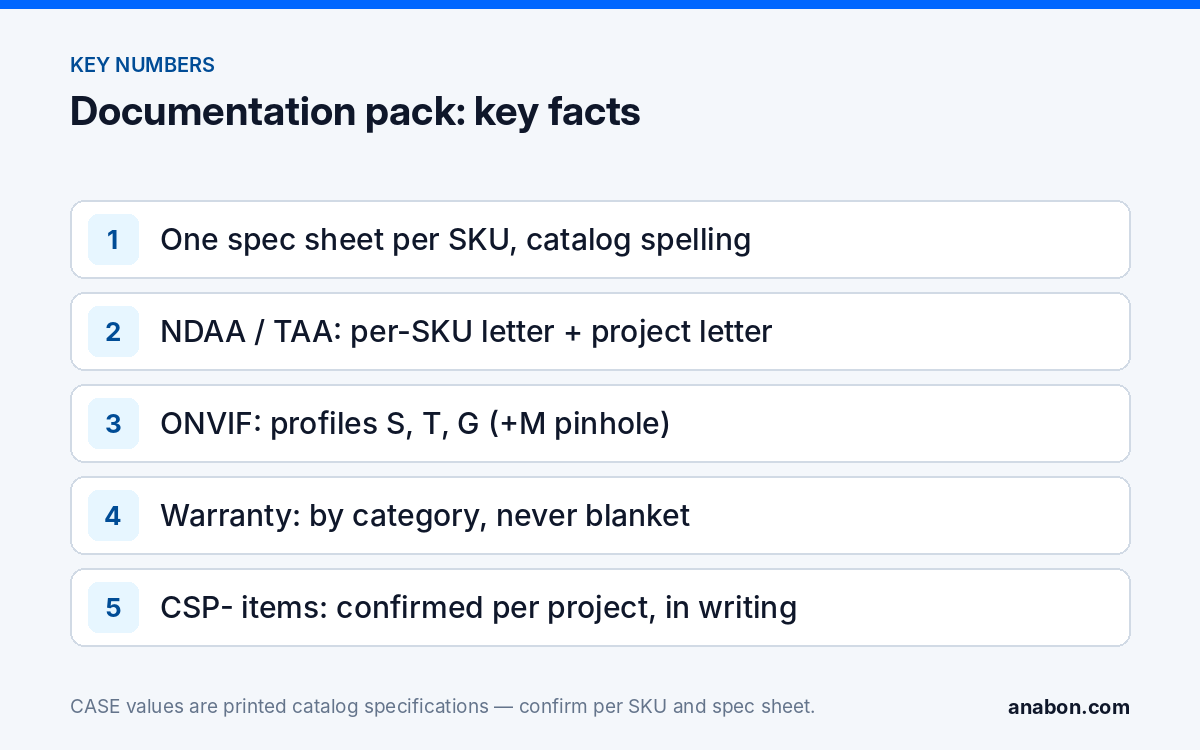
| “Will it integrate with our VMS or access control?” | ONVIF conformance: profiles S, T and G, with M on pinhole models; third-party behavior confirmed per platform and project | Per SKU; behavior per project | ONVIF conformant-product listing and the spec sheet |
| “Who warrants it and for how long?” | Warranty statement by category | Per category, applied to the SKUs listed | Anabon; support flows through the installer or dealer |
| “What software and app are supported?” | Written, dated software statement | Per model, firmware, software version and project | Anabon |
| “What firmware was installed and how is it updated?” | Firmware note: version, date, update and rollback procedure | Per device as installed | Installer at commissioning |
| “Is it rated for the environment?” | IP / IK and operating-temperature rows of the spec sheet | Per SKU | Spec sheet |
| “Can we test it first?” | Demo statement | Per approved demo product | Anabon |
| “This is a Project Series (CSP-) item. Certificate? Lead time? Warranty?” | Per-project written confirmation of availability, certificate, lead time and warranty term | Per project | Anabon; no term is stated until confirmed |
| “Is it equal to the specified product?” | Equivalence table built row by row from both spec sheets | Per SKU pair | Installer, reviewed with Anabon |
| “Signage, retention, privacy notice?” | Not product documents: the owner’s privacy notice, sign schedule and retention policy | Per site | Owner and installer |
The last row matters: a product pack cannot answer a privacy question, and a spec sheet sent in reply to “where is your retention policy” tells the reviewer you did not read the specification. Keep the two sets separate and labeled.
Where does each document come from?
Three sources; keep them apart in the job folder.
Printed product material
The SKU spec sheet is the authority for every figure in your submittal; the CASE Catalog 2027 Q1 restates it, and website copy comes last. Quote the spec sheet in its own words, then add the US/Canadian form: a printed “IR 30m” becomes 98 ft (30 m). Never carry a figure from one SKU to another; a single letter changes the series, housing and specs.
Per-project documents from Anabon
Compliance letters, the TAA document where it exists, the warranty statement, the software statement, demo terms and every Project Series confirmation are issued for a named project and a named SKU list. The wording the letters carry is the wording to repeat in your proposal: CASE offers NDAA-compliant options for compliance-sensitive projects. Anabon confirms the exact products and provides the official compliance documentation for each project. Product documentation is supplied per SKU; for any project with origin, NDAA, or other compliance requirements, Anabon provides the official per-SKU documentation and project-specific confirmation. The warranty statement reads: CASE cameras and CASE NVRs carry a 6-year warranty. CASE PTZ cameras carry a 3-year warranty. CASE accessories carry unlimited warranty. Hard drives are supported through back-to-back manufacturer warranty. The software statement says what is supported today: CASE Connect, on mobile and on the web, is the main CASE software; CASE Station, CASE Cloud and the Search Config Tool are named for desktop viewing, remote NVR configuration and deployment where a technical step needs them, with capability confirmed per model, firmware and deployment. The demo statement reads: for approved demo products we provide a 90-day test period under the approved demo return process. This is not a general return policy.
Your own commissioning records
The firmware note, as-built drawings, camera schedule, sign schedule and handover cybersecurity checklist are yours, and a good reviewer asks for them at closeout; see After you win: submittals, samples, training plans and as-built documentation.
What is per SKU and what is per project?
Reviewers reject brand-level statements because a brand is not a thing you can buy. Nothing in the pack is issued for “CASE”; the table shows the unit each document is issued for.
| Document | Unit | Spelling that must match |
|---|---|---|
| Spec sheet | One per SKU | Catalog spelling with the series letter: CS-I8XQ II-2.8mm, not CS-I8XQ I-2.8mm; CS-N440 P16H-AI, not CS-N440 M-AI |
| NDAA letter | One per SKU, plus one project confirmation | Camera schedule, BOM, drawings and letter all identical |
| TAA document | One per SKU where it exists, plus project confirmation | As above; a camera letter never covers the switch |
| Warranty statement | By category, applied to the listed SKUs | Cameras and NVRs 6-year; PTZ 3-year; accessories unlimited; hard drives back-to-back |
| Software statement | Per model, firmware, software version and project | Device list with firmware versions attached |
| Firmware note | Per installed device | Serial number, SKU, version, date |
| Project Series confirmation | Per project | CSP- SKUs listed with quantities; no term until confirmed |
The equivalence question has its own method in “Or equal” substitutions: building an equivalence table for CASE SKUs, and the bid-stage checklist is in Bid-ready documentation checklist.
How do you request the pack from Anabon?
- Log in to your approved business account at account.anabon.com; documentation is a partner service and is not issued to end users.
- Send the SKU list in catalog spelling with quantities, copied from the camera schedule, including the NVR, PoE switches, injectors and any intercom.
- State the project name, the owner type, the funding source or contract vehicle (direct, GSA Schedule, federal grant, provincial tender, private) and the jurisdiction.
- Quote the clause numbers or specification sections that ask the question: FAR 52.204-24 and 52.204-25, 2 CFR 200.216, FAR 52.225-5, or the Division 28 paragraph.
- Tick the documents you need from the index above and name the format the reviewer wants.
- Give the submittal deadline and ask for the turnaround before promising one to the consultant.
- Expect back the per-SKU documents plus a project-specific confirmation; where a SKU does not carry a document, the answer says so, and you specify one that does.
The service is described in Compliance documentation as a service: per-SKU packs for bids.
How do you assemble the submittal so the reviewer finds it?
- Start with a one-page index that repeats the question-to-document table with page numbers.
- File one PDF per SKU, named with the SKU, the document type and the date, for example CS-N220 P16H-AI_SpecSheet_2026-10.
- Check that every SKU spelling is identical across the camera schedule, BOM, drawings and letters; a mismatch is a frequent reason a pack is returned.
- Include network equipment and power: switches, injectors, splitters and the NVR are reviewed under the same clauses.
- Date-stamp every page and keep the issued set; a revision after award gets a new index and date.
- Keep privacy documents (signage, retention, notices) in a separate tab labeled as the owner’s.
What the pack does not do
- It makes no blanket claim. There is no brand-level “everything is compliant” page, because no reviewer accepts one.
- It makes no origin statement in any direction; the per-SKU document is the answer to an origin question.
- It covers only current catalog SKUs and the active spec-sheet products; legacy models that are no longer offered are not documented for new bids.
- It states nothing about future firmware or features; software and AI functions are documented as supported today, per model and version.
- It does not replace the owner’s legal review of privacy, signage or retention.
What to tell your customer
“Every product on your drawing has its own document, in the exact model spelling your reviewer will see on the schedule: spec sheet, compliance letter where your contract requires one, warranty by category, and a dated statement of the software that is supported today. We do not submit brand-level claims because procurement reviewers do not accept them, and we keep your privacy documents separate because those are yours, not the product’s.”
FAQ
What is in a security camera compliance documentation pack?
Per-SKU spec sheets, a per-SKU NDAA compliance letter with a project-specific confirmation, a per-SKU TAA document where it exists, the ONVIF conformance record, the warranty statement by category, a dated software statement of what is supported today, and your own firmware note from commissioning. Project Series items add a per-project confirmation of availability, certificate, lead time and warranty term.
Is one NDAA letter enough for the whole CASE line?
No. Section 889 attaches to equipment, so the letter names the exact SKU, and the project confirmation names the project. CASE offers NDAA-compliant options for compliance-sensitive projects, and Anabon confirms the exact products and provides the official compliance documentation for each project. A letter for CS-I8XQ II-2.8mm does not cover CS-I8XQ I-2.8mm or the switch.
Do I need the pack for a private commercial job?
Not by statute, but increasingly by policy: corporate security standards, insurers and landlords ask the same questions a federal reviewer does. At minimum, keep the spec sheets, the warranty statement and the firmware note in the job folder for every job; add compliance letters when the customer’s contract, funding or policy asks for them. The habit costs little and makes the next bid faster to document.
How do I prove ONVIF compatibility to a consultant?
State the profiles, not a promise: ONVIF profiles supported are S, T, and G, with M on pinhole models. Third-party behavior is confirmed per platform and project. Attach the conformant-product record and the SKU spec sheet, then offer a bench test against the consultant’s actual platform. “ONVIF compatible” on its own means little to a reviewer; profile letters and a test report mean something.
What about Project Series (CSP-) items?
Explosion-proof, thermal, solar-trailer and radar items are project-quoted. The pack for them is a per-project written confirmation of availability, certificate, lead time and warranty term from Anabon; until that confirmation exists, no term, certificate or lead time is stated to the customer, whatever a catalog page prints. Send the requirement early, because certificates are matched to the hazardous-area classification of the site.