


Quick answer: Divide a farm camera plan into the views needed near buildings and the separate power and communication problems at remote points. Test actual night footage, calculate every remote load and check the worst operating season. Acreage, a long zoom ratio or an illuminator range does not establish useful identification.
On this page
Survey the working farm before quoting distance
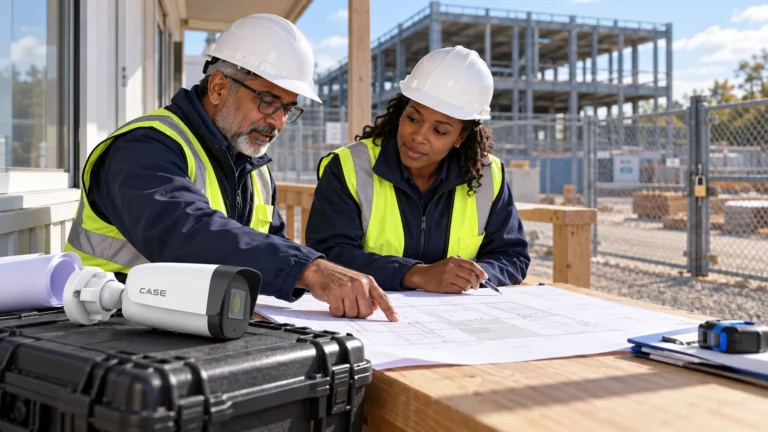
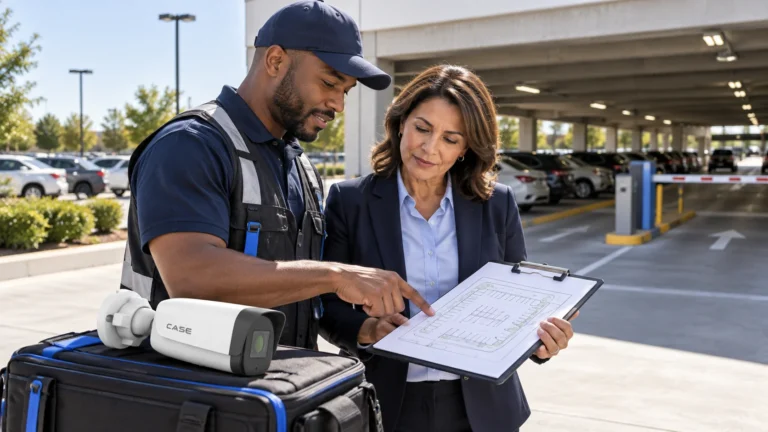
Walk the site with the operator and mark equipment storage, shop doors, livestock routes, fuel areas and field gates. Record distances, existing power, communications paths and the normal position of parked machinery. Identify the incidents the customer wants to review rather than promising an uninterrupted view of the entire property. A two-hundred-acre example is only a way to organize the discussion. Buildings, terrain, trees, mobile equipment and the important approach routes determine actual positions. A close gate view can do a different job from a wide yard overview, even when both cameras look toward the same field.
Give overview and identification different jobs
Compare IP cameras for installers after measuring the scene and the requested subject position. An illuminator’s stated distance is not an identification distance. Test a moving person or authorized vehicle at the important point, with the intended recording settings and normal farm lighting.
| Location | Evidence task | Main design question |
|---|---|---|
| Shop and equipment yard | Movement to the approved storage or doorway | What blocks the view when machinery is parked? |
| Lane or gate | Entry and direction of travel | Where can the required detail be tested safely? |
| Remote barn | The approved door or circulation route | What dependable power and network path exist? |
| Fuel or dusty process area | An agreed view from an approved position | What environmental or hazardous-area requirements apply? |
A PTZ can help an operator examine a selected area. It does not record every direction at once, so retain essential fixed views. The tallest structure is not automatically the best mounting point: check angle, structural approval, vibration, wind exposure and safe maintenance access.
Choose a supported power and communications path
Survey the actual route to a distant barn or pole. Compare an engineered cable or fibre path, an appropriate wireless link and any local recording arrangement against the site. Do not assume an ordinary copper run can cross every field or that a radio link works through buildings and foliage without a survey. Check PoE network switches against per-port power, total load, uplinks and environment. A long-reach mode can have specific limitations; confirm the exact equipment and required stream performance rather than quoting distance alone. Document surge protection, earthing and any specialist installation work with the appropriate contractor.
Size solar for the real season and load
For a solar powered security camera system, list every remote load: camera, illuminator, radio or cellular equipment, recording, controller and heating. Use documented operating demands and the actual charging arrangement. Size for seasonal daylight, shading, battery operating and charging limits, losses and maintenance. A stated autonomy figure belongs to its stated conditions, not an arbitrary camera count or all-winter guarantee. Check cellular service and data needs at the mounting point. Agree how the operator discovers a power or link fault and what the response will be.
Treat cold, dust and fuel areas individually
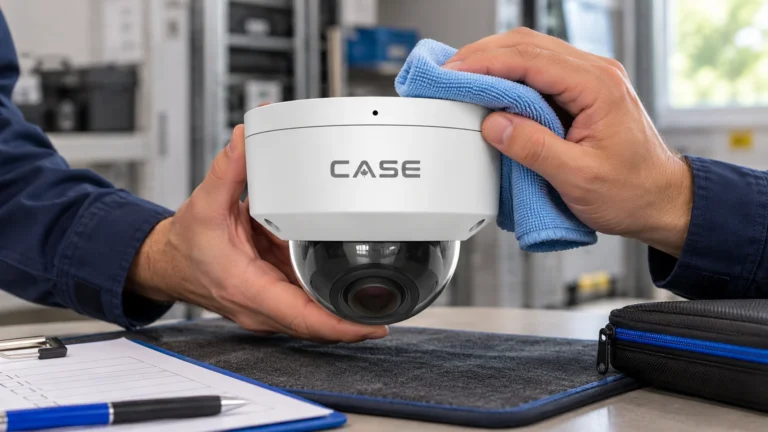
Verify the exact camera, power equipment and communications components for the expected temperature and contaminants. An eave can reduce exposure; it does not extend an equipment temperature rating. Confirm the cleaning method and keep service access out of unsafe machinery routes.
For a potentially classified fuel or combustible-dust area, obtain the qualified site’s equipment and installation requirements. OSHA 1910.307 is a US hazardous-location reference, not a Canadian rule or proof of approval for this farm. Ordinary weather resistance does not establish that a camera, enclosure or wiring is suitable for the actual classified location.
Make the recording and response plan practical
Choose the network video recorder against the supported streams, channel schedule, bandwidth, usable storage and agreed expansion. Use the NVR storage guide with the owner’s approved target. Separate remote viewing from what actually records locally when a link fails.
If a light or audible warning is requested, verify exact device support, triggers and scheduling. Test legitimate deliveries, livestock or other normal activity where relevant. Agree who receives or checks an event and how they respond; a warning is not a promise that equipment theft will stop.
Test an event and leave a maintenance record
Record a harmless authorized journey through the agreed gate or yard route, retrieve it, export it and replay it. Repeat the important view after dark. Document the tested conditions, camera names, time configuration and any accepted gap. Leave the as-built plan, power and link assumptions, firmware schedule, named access roles and fault checklist. Obtain exact-model instructions from the Anabon Download Center. Review the plan when machinery parking, crops, vegetation or temporary buildings change the scene.
FAQ
Does a long night range mean useful identification at that distance?
No. Test the actual moving subject, lens, lighting and recorded settings at the required position. The IR range and identification guide explains why an illuminator specification alone cannot prove usable subject detail.
Will a solar system run all winter without attention?
No blanket runtime is promised. The complete seasonal power design, actual loads and maintenance arrangements must be reviewed and accepted.
Review the farm’s difficult points first
Send security camera technical support the distances, remote locations, available power, night photographs and environmental constraints. Include the seasonal load and link assumptions that still need confirmation.
References
References reviewed October 30, 2026. OSHA 1910.307, Hazardous (classified) locations, includes US electrical equipment/wiring and location-specific requirements. Apply the actual jurisdiction and qualified project assessment. No site classification, environmental approval or universal solar autonomy is established by this guide.